01 / The MindsetWhat Networking Actually Is
Networking has a reputation problem. For many people, the word summons an image of a crowded room, a name tag, and the awkward hunt for someone — anyone — to talk to. That version of networking is transactional and exhausting, and it rarely works. The better definition is simpler: networking is the ongoing practice of building and maintaining relationships with people whose work overlaps with your own.
Notice what that definition leaves out. It says nothing about asking for favours, collecting contacts, or climbing a ladder. A healthy network is not a resource to be extracted; it is a community you contribute to. The people who are consistently well-connected tend to be the ones who give first — introductions, encouragement, a useful article, a thoughtful question — long before they ever need anything in return.
This reframing changes everything. If networking is about relationships rather than results, then every ordinary conversation counts. You do not need a conference badge or a clever pitch. You need curiosity, a bit of patience, and the willingness to stay in touch.
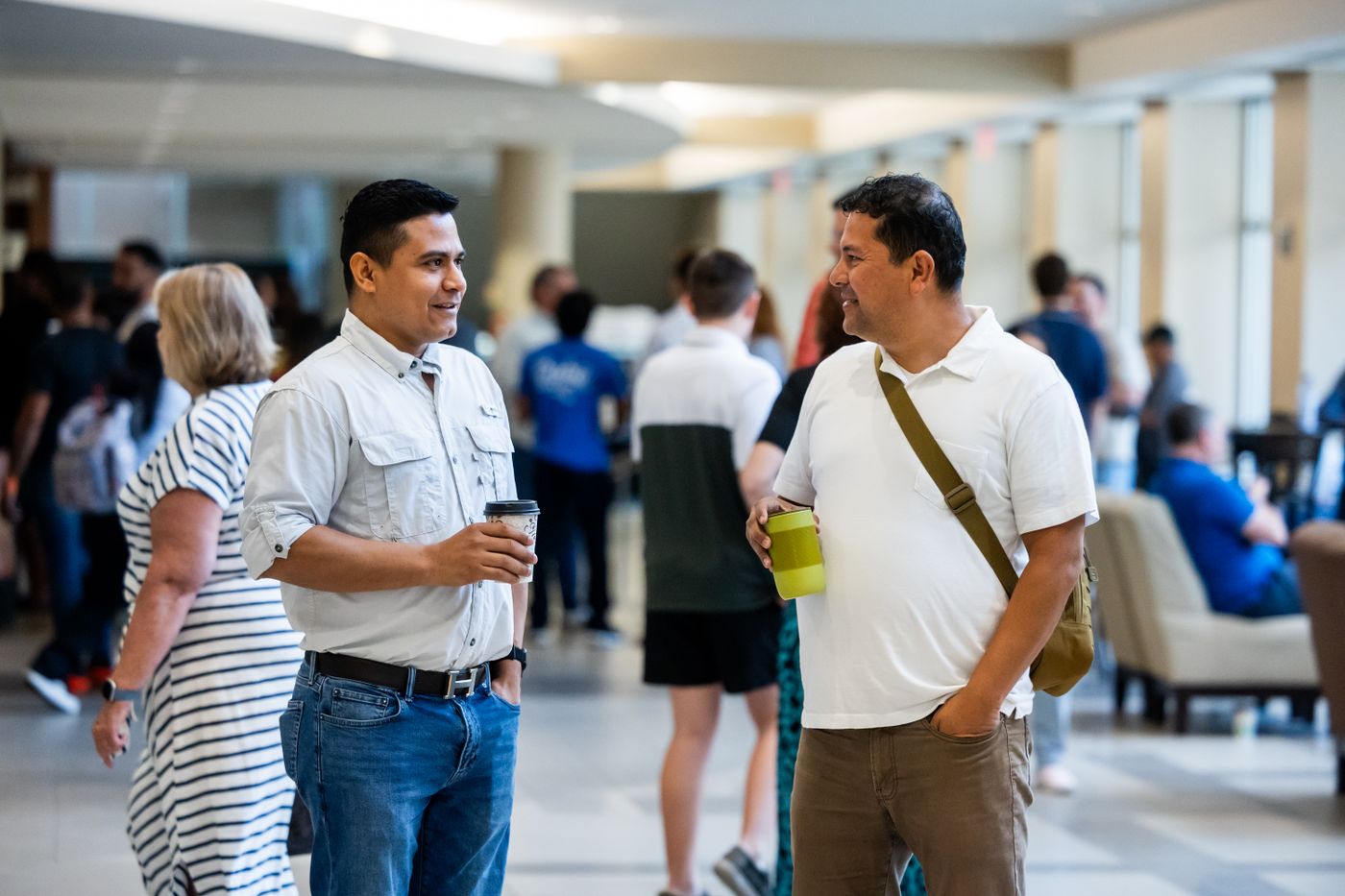 Conversation first
02 / The PracticeSmall Habits, Large Networks
The strongest networks are built by people who do small things repeatedly, not by people who make one grand effort and then disappear. Think of it less like a sprint and more like tending a garden: regular, light attention produces far more than occasional frantic digging.
Here are habits that compound quietly over months and years:
- Keep a simple running list of people you have met and one note about each — a shared interest, a project they mentioned, a question you promised to answer.
- Reach out when you have no ask. Share something relevant with no agenda attached and watch how differently people respond.
- Make introductions between two people who would benefit from knowing each other. Connectors are remembered warmly.
- Ask better questions. "What are you working on that you're excited about?" opens far more than "What do you do?"
- Follow up within a few days of meeting someone, while the conversation is still fresh for both of you.
None of these require charisma or a large existing network. They require only that you treat the people you meet as people, and that you remember them afterwards. The memory part is where most of us fall down — which is exactly why a few written notes outperform a brilliant personality.
Quality over quantity
It is tempting to measure a network by its size. Resist that. A list of five hundred acquaintances who would not recognise your name is worth less than a dozen people who would happily take your call. Depth is what makes a network useful and, honestly, what makes it enjoyable. Aim to know a smaller number of people genuinely rather than a large number barely at all.
"The goal of a conversation is not to make an impression. It is to understand the other person well enough that you'd recognise how to help them later."
 Give first
03 / The Follow-UpWhere Most Networks Are Won or Lost
Meeting someone is the easy part. What separates a passing encounter from a relationship is what happens in the days and weeks afterwards. Most people never follow up at all, which means a short, sincere message puts you ahead of nearly everyone.
A good follow-up does three things. It reminds the person of who you are and where you met. It references something specific from your conversation so they know you were actually listening. And it leaves a small, natural opening for continuing the exchange — without pressure.
You do not need to be clever. A message along the lines of, "It was good to talk about remote onboarding earlier — here's that article I mentioned," does far more than a polished paragraph that says nothing in particular. Specificity signals attention, and attention is the rarest currency in professional life.
Staying in touch without being annoying
The fear of being a nuisance stops many people from maintaining their connections. The trick is to make your contact useful or warm rather than needy. Comment thoughtfully on something they shared. Send a resource that fits a problem they described. Congratulate them on a milestone. Over a year, a handful of these light touches keeps a relationship alive without ever feeling like maintenance work — because, done well, it doesn't feel like work at all.
- Set a loose rhythm: reconnect with your closest contacts a few times a year, not on a rigid schedule.
- When you learn something that reminds you of someone, send it. That instinct is the whole game.
- Close loops. If someone helped you, tell them how it turned out. People love hearing that their advice mattered.
 Follow through
04 / Online & BeyondNetworking in a Connected World
Much of networking now happens through a screen, and that is not a lesser version of the real thing — it is simply a different channel with its own etiquette. Online, you can build relationships with people you may never meet in person, across time zones and industries, by being consistently present and genuinely helpful.
The principles do not change. Contribute before you request. Be specific. Keep your word. What changes is the texture: a thoughtful reply to someone's post, a short message that references their recent work, or participation in a community conversation can all begin a relationship that deepens over time.
One caution worth holding onto: online, it is easy to mistake visibility for connection. Having a large following is not the same as having people who know and trust you. The quieter work — the direct messages, the genuine replies, the small acts of help — is what turns an audience into a network.
Bringing it all together
Whether you meet someone at an event, through a mutual contact, or in an online community, the arc is the same: meet, remember, follow up, stay in touch, and give more than you take. Do that patiently and your network becomes something better than a list of names. It becomes a group of people you are genuinely glad to know, and who are glad to know you.
Networking, in the end, is not a skill you master and set aside. It is a habit of generosity and attention that you carry into every working relationship, year after year. The people who do it best rarely call it networking at all. They just call it staying in touch.
Join the reader community
We run a free community for curious people who want to build warmer, more genuine professional relationships. Members get a weekly newsletter with practical tips you can use the same day, plus invitations to online events and live Q&A sessions with the curiousheartbridge.com readership. If this way of thinking about networking resonates with you, we'd love to have you along — sign up just below.